

 Ingles
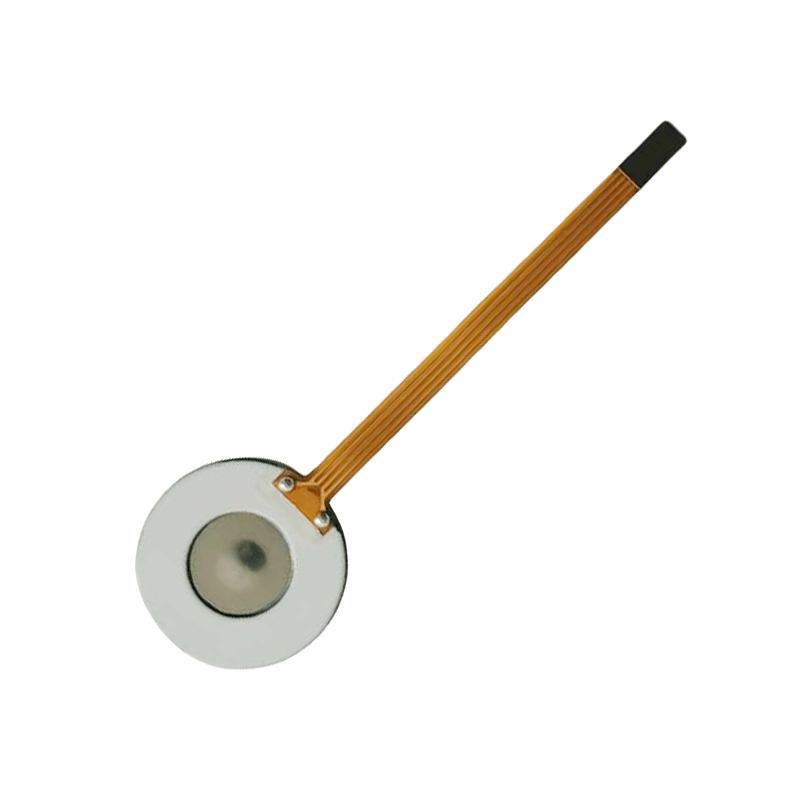
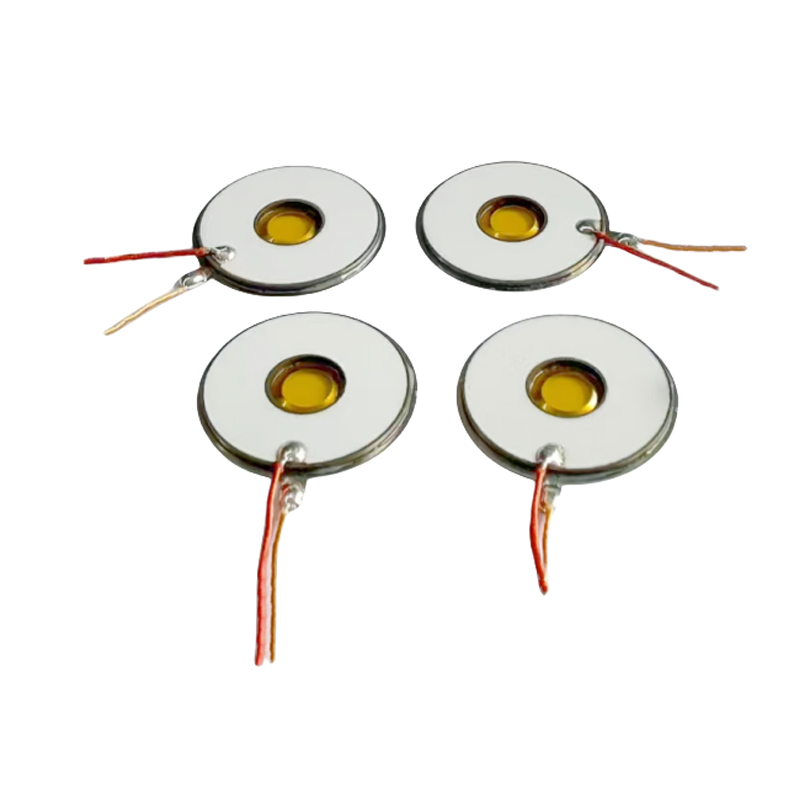
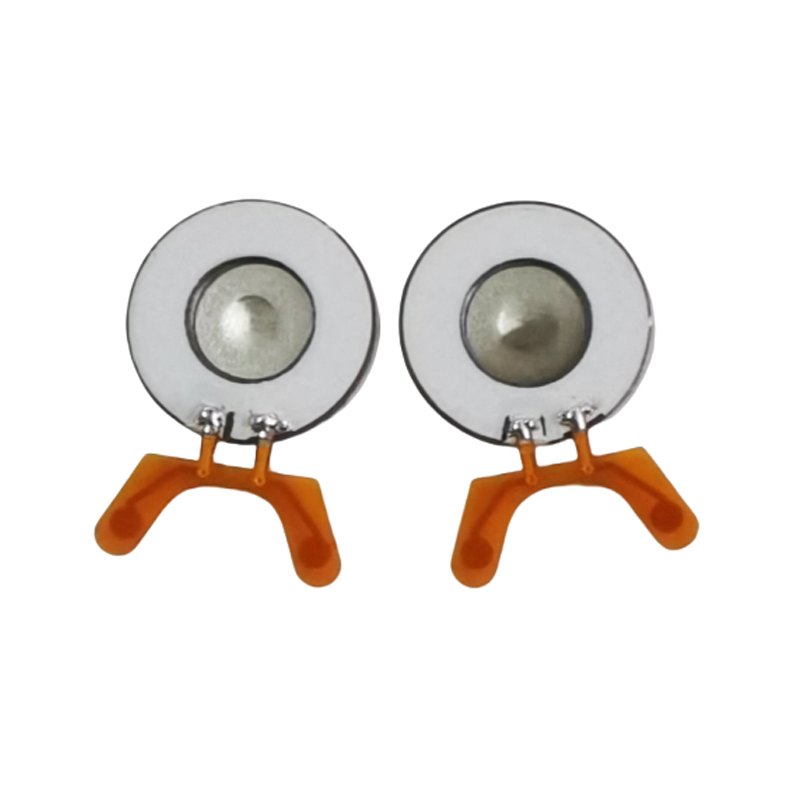
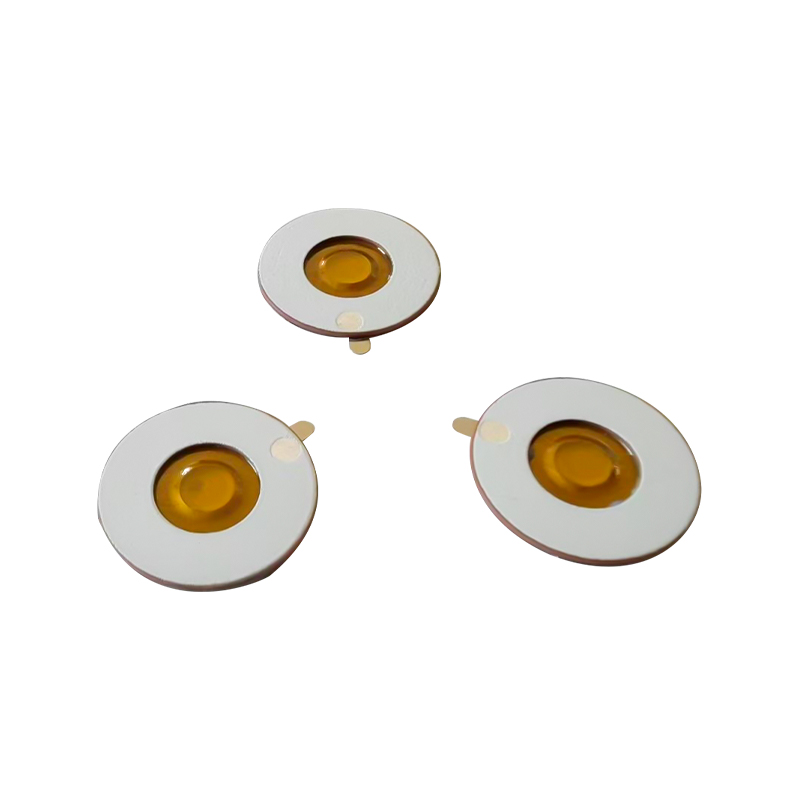
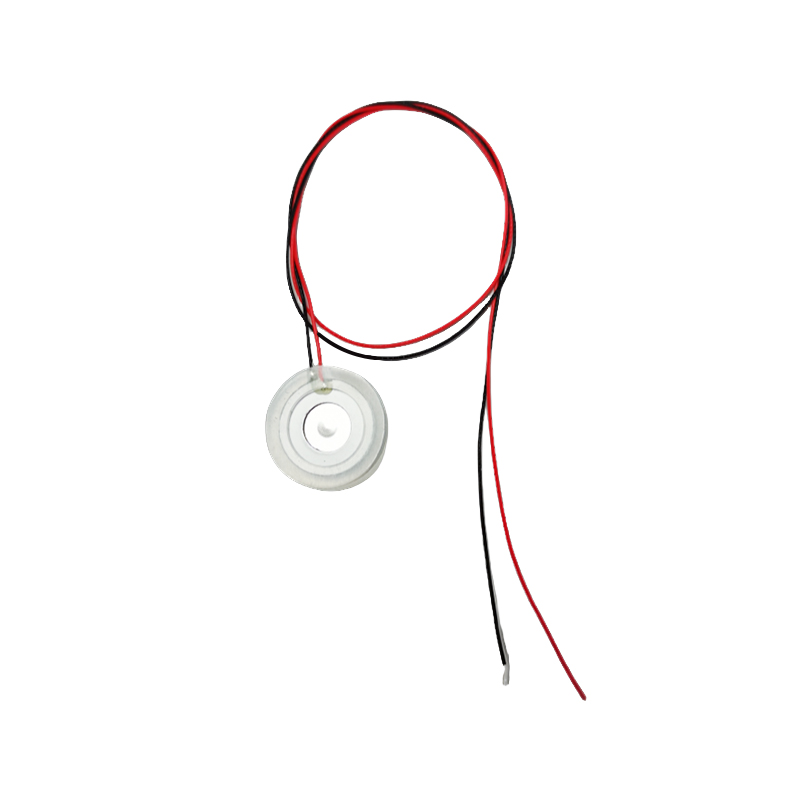
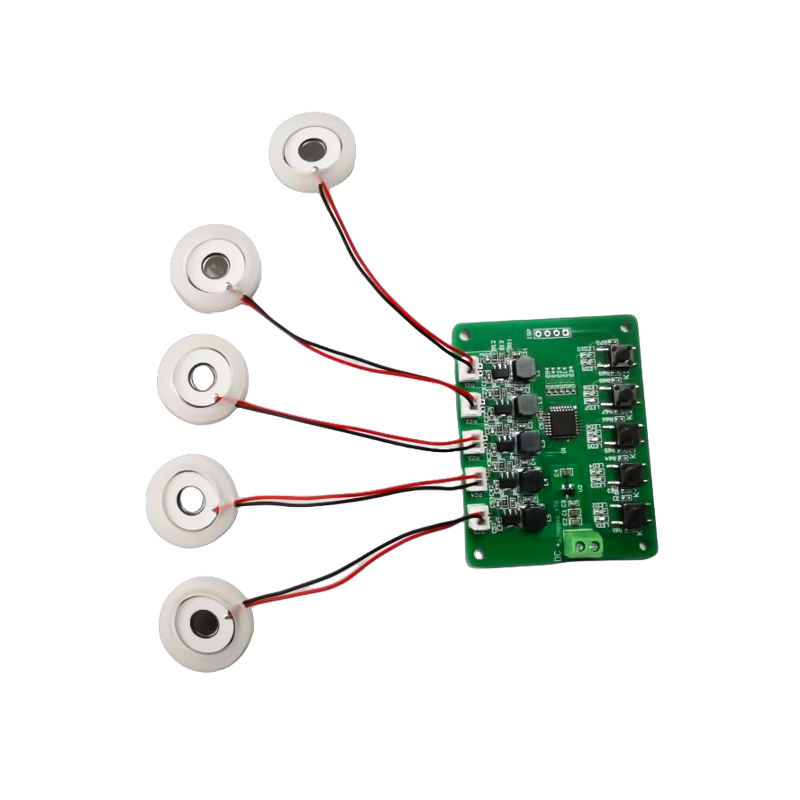


Precision Laser Micro-Hole Processing Technology Mga Tagagawa

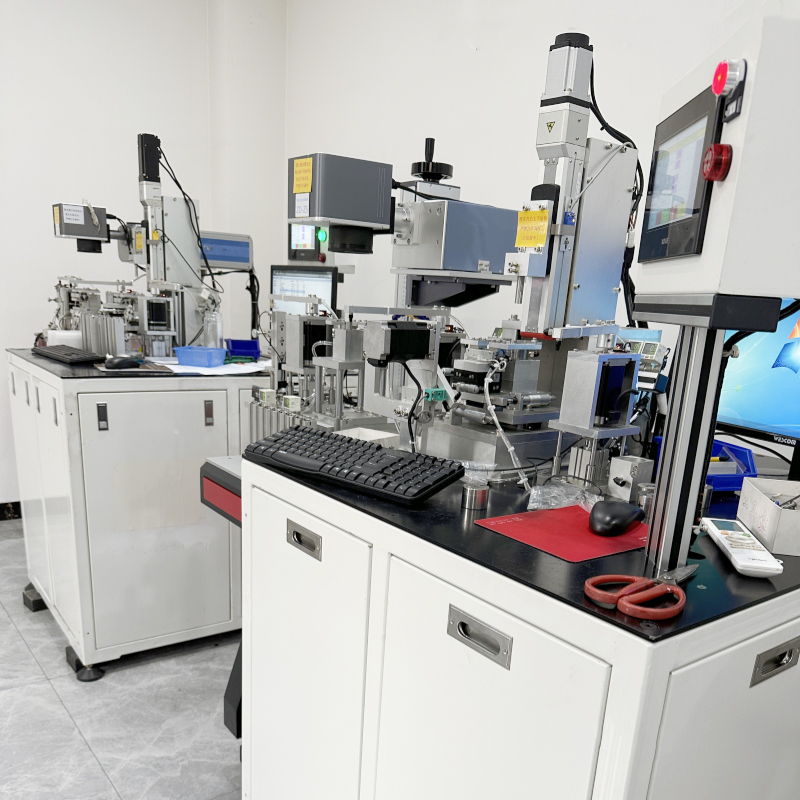


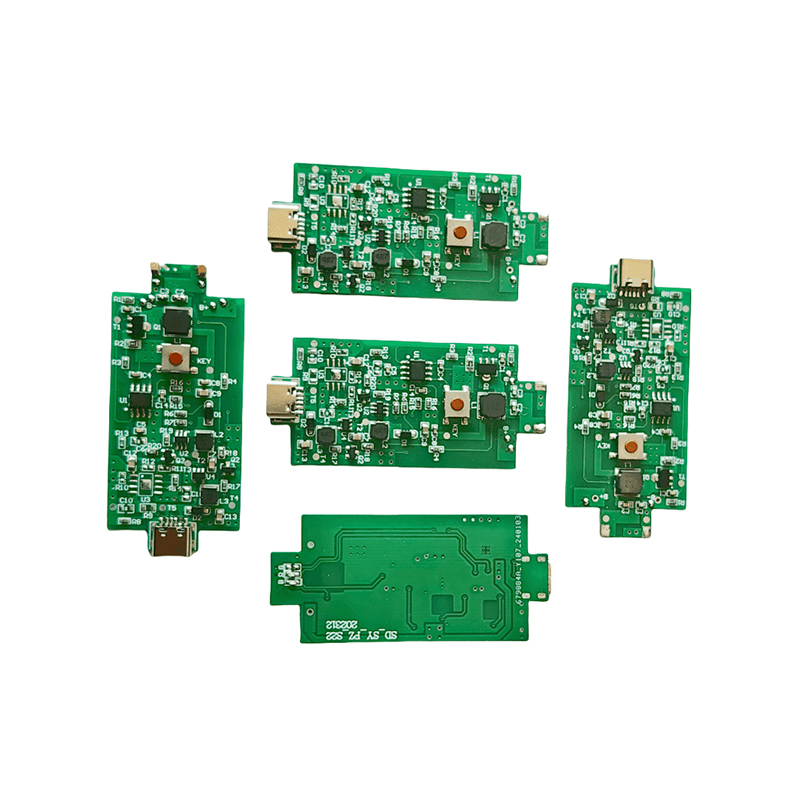
Ang pagproseso ng mikropono ng laser ay maaaring ipasadya para sa mga customer na may iba't ibang mga kinakailangan ng microporous ng katumpakan, ang aming pinakamaliit na microporous φ2μm maximum na microporous φ30um ay may napakataas na kawastuhan sa pagproseso, na naaangkop sa mga hindi kinakalawang na asero na materyales, at mga titanium na haluang metal. Maaari naming mapagtanto ang mga kumplikadong microporous na hugis at mga layout ng array upang matugunan ang mahigpit na mga kinakailangan ng pagproseso ng microporous para sa mga high-end na elektronikong filter, mga filter ng paglilinis ng tubig, mga aparatong medikal, mga instrumento ng katumpakan, at iba pang mga industriya.
Ang Saida Piezoelectric ay isang pandaigdigang kinikilalang negosyong nakabatay sa teknolohiya na dalubhasa sa produksyon at paggawa ng mga produktong may kaugnayan sa medikal na atomisasyon, kami ay Tsina Precision Laser Micro-Hole Processing Technology Mga Tagagawa at Pasadya OEM/ODM Precision Laser Micro-Hole Processing Technology Kumpanya, Kami ay nakatuon sa inobasyon, pananaliksik at pagpapaunlad, at promosyon ng ultrasonic piezoelectric ceramics, mga produktong walang lead na atomisasyon, mga elektronikong sangkap, at mga kaugnay na solusyon sa disenyo ng PCBA. Ang aming layunin ay pahusayin ang kalidad ng buhay ng mga tao sa pamamagitan ng teknolohiya, at makamit ang isang mas mahusay, berde, at napapanatiling hinaharap para sa lipunan.
Mula nang itatag noong Abril 2011, ang kumpanya ay nangunguna sa pagpapaunlad ng teknolohiya, na may natatanging pangkat ng pananaliksik at pagpapaunlad, advanced na kagamitan sa produksyon at paggawa, at precision testing equipment. Sinasaklaw namin ang malawak na hanay ng mga produktong ultrasonic atomization sa aming propesyonal na larangan, kabilang ang lead-based at lead-free na medical inhalable atomization tablets, humidifier atomization tablets, essential oil atomization tablets, industrial atomization tablets, pati na rin ang mga sensing product na may kaugnayan sa ultrasonic piezoelectric at PCBA driving solutions. Hindi lamang kami nakatuon sa malalim na pananaliksik at pagpapaunlad ng teknolohiya, kundi aktibong inilalapat ang mga teknolohikal na tagumpay sa praktikal na buhay, upang ang mga teknolohikal na produkto ay tunay na makapaglingkod at makinabang sa lipunan, na ginagawang mas kapana-panabik at maganda ang mundo.
Sertipikasyon

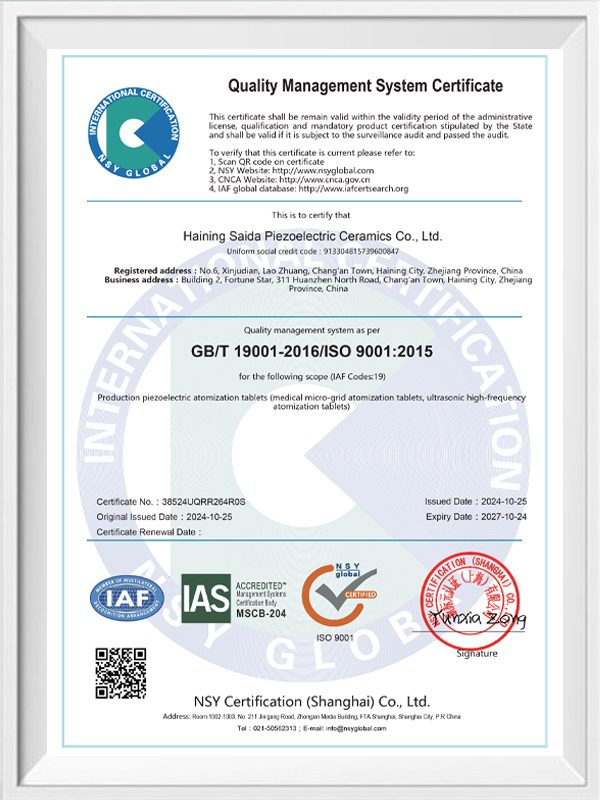
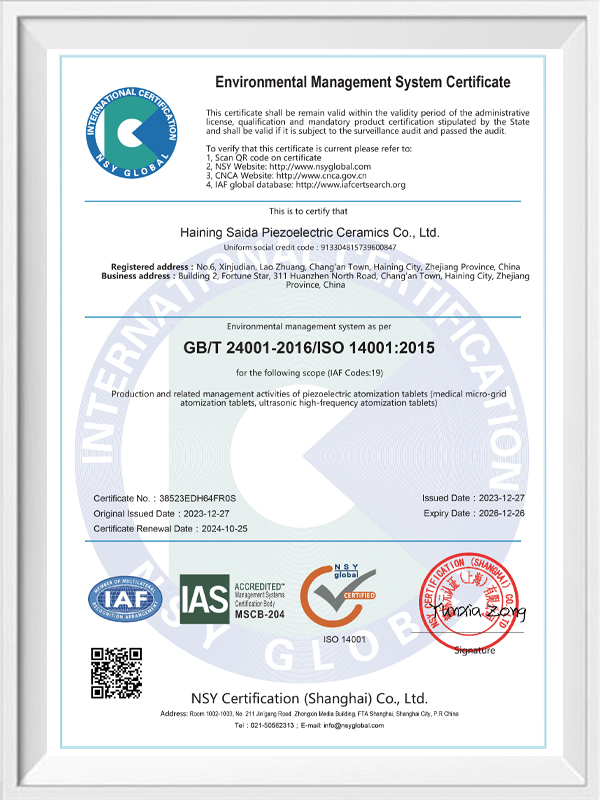
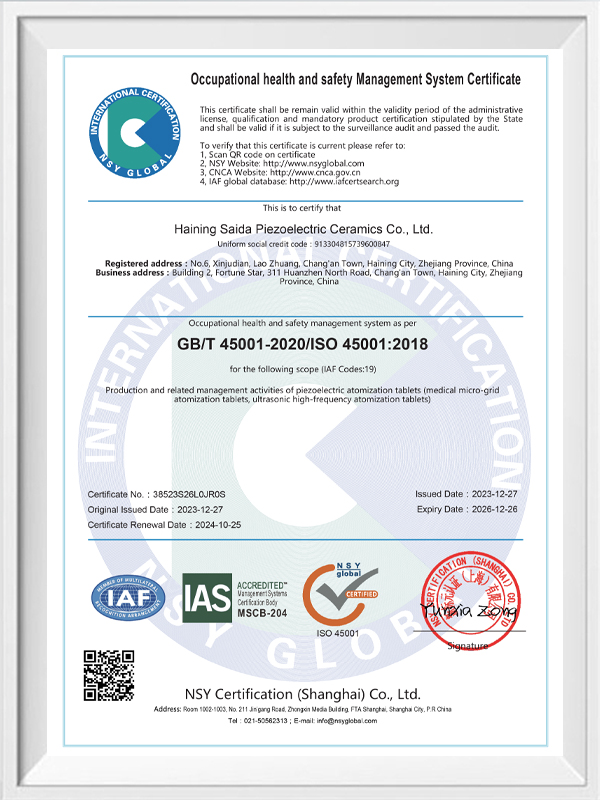
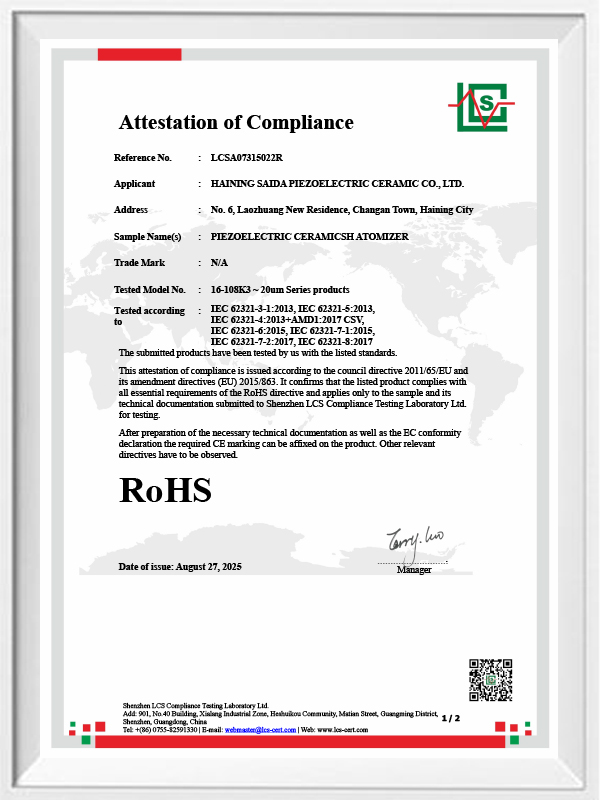
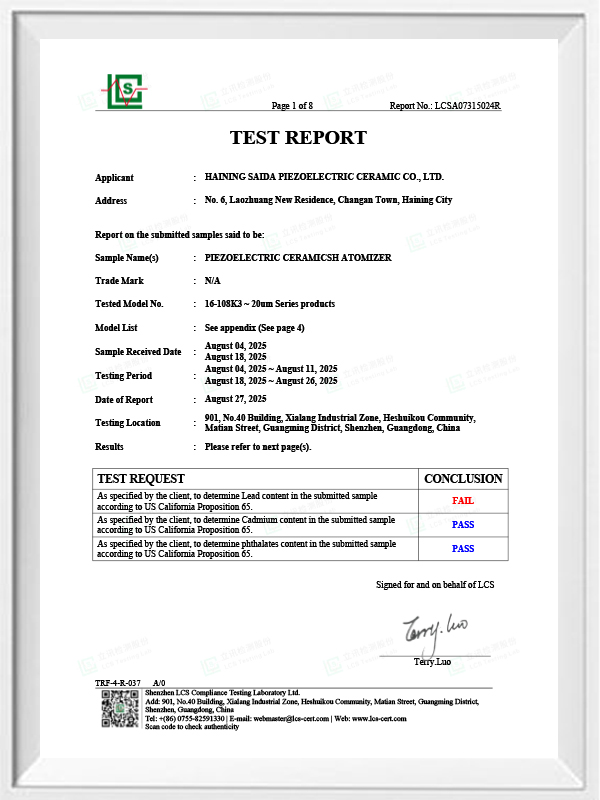
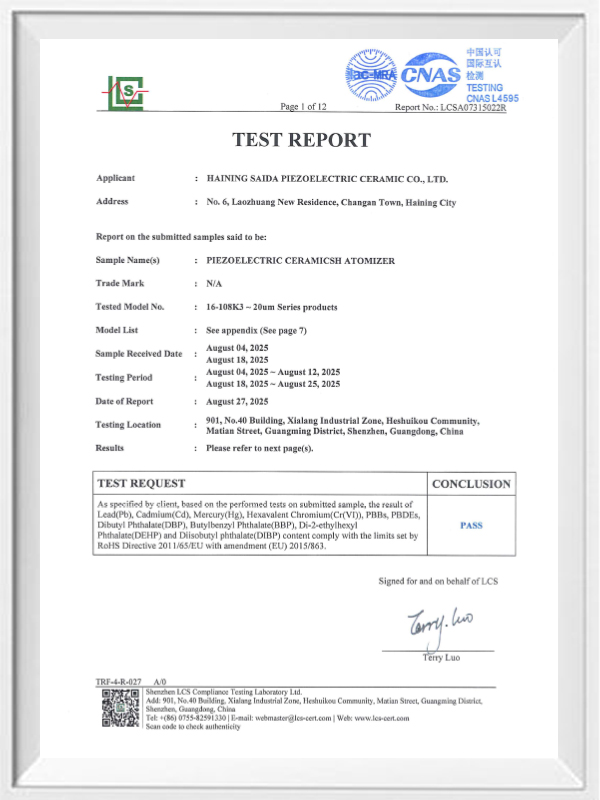
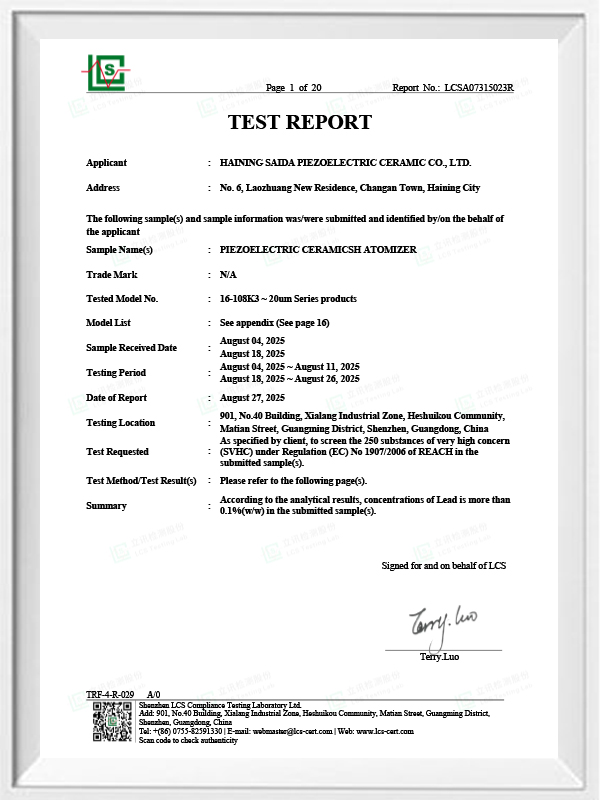
Ang aming serye ng medical inhalable piezoelectric atomization products ay lahat ay pumasa sa mga sertipikasyon na kinakailangan para sa mga pamantayan sa pag-export. Kabilang dito ang ROHS certification, ISO9001 quality system certification, health system certification GB/T45001-2020/ISO 45001:2018, GB/T28001-2001 idt OHSAS18001:1999 Occupational Health and Safety Certification, environmental system certification GB/T24001-2016/ISO 14001:2015, California Proposition 65, REACH, at ang medical atomization products ay sertipikado rin ng U.S. FDA.
balita
-
Balita sa industriya
Bakit Tinutukoy ng Medical-Grade PCB Design ang Performanc...
Bakit Tinutukoy ng Disenyo ng PCB ang Pagganap ng Atomization sa Mga Medical Device Sa isang piezo atomizer, nakakakuha ng atensyon ang vibrating mesh o disc. Ang PCB ay madalas na itinuturing bilang isang su...
-
Balita sa industriya
Ano ang Nagpapasya sa Precision Laser Microvias para sa Pa...
Kung saan ang Micro-Hole Accuracy ang Nagpapasya sa Kalidad ng Ambon Ginagawang pinong spray ng piezoelectric atomizer ang elektrikal na enerhiya sa pamamagitan ng pag-vibrate ng manipis na metal mesh sa mata...
-
Balita sa industriya
Paano Pumili ng Tamang Mesh Nebulizer Chip para sa Mga Med...
Ang mesh nebulizer chip ay higit pa sa isang simpleng accessory. Ito ang engineered core na tumutukoy sa kahusayan ng aerosol, pagkakapare-pareho ng paghahatid ng gamot, habang-buhay ng device, at pagsun...
Precision Laser Micro-Hole Processing Technology Pagpapalawak ng Kaalaman sa Industriya
How do parameters such as laser power, pulse frequency, and scanning speed affect the quality of Precision Precision Laser Micro-hole Processing Technology Technology?
Influence of laser power
Laser power is one of the core parameters that determine the processing effect. It directly determines the energy density of the laser beam when it acts on the material. Too high power may cause excessive melting or even vaporization of the material, resulting in irregular hole walls or expansion of the heat-affected zone (HAZ); while too low power may not effectively penetrate the material, resulting in processing failure. Accurate control of laser power is the key to achieving high-quality micro-hole processing.
In our Precision Precision Laser Micro-hole Processing Technology Technology, we use advanced laser equipment and precision control systems to ensure high-precision micro-hole processing on materials such as stainless steel and titanium alloys. For example, our Precision Precision Laser Micro-hole Processing Technology Technology technology can achieve micro-holes with a minimum of φ2μm and a maximum of φ30μm, meeting the strict requirements of medical devices and precision instruments for micro-hole size. This high-precision processing capability has been widely used in products such as medical atomizers and water purifier filters.
The selection of laser power also needs to consider the characteristics of the material. For example, for high reflectivity materials (such as copper and aluminum), we adjust the laser power and wavelength to reduce reflection loss and ensure processing efficiency and quality. For heat-sensitive materials, we reduce the heat-affected zone and avoid material deformation or damage by reducing power and optimizing processing parameters.
The role of pulse frequency
The pulse frequency determines the number of times the laser energy acts on the material per unit time. High pulse frequency can improve processing efficiency, but may cause heat accumulation and affect the quality of the hole wall; low pulse frequency helps to reduce the heat-affected zone, but will reduce the processing speed. The choice of pulse frequency requires finding a balance between efficiency and quality.
In our processing, we rely on advanced automatic laser drilling machines and precision testing equipment to flexibly adjust the pulse frequency according to customer needs. For example, in the manufacture of medical atomizers, we ensure the consistency of micropore shape and array layout by accurately controlling the pulse frequency, thereby improving the performance and reliability of the product. For micropore processing of complex shapes, we achieve high-precision processing effects by adjusting the pulse frequency and laser energy distribution.
The pulse frequency is closely related to the thickness and hardness of the material. For thicker or harder materials, we usually use higher pulse frequencies to improve processing efficiency; for thinner or softer materials, we use lower pulse frequencies to reduce the heat-affected zone.
Optimization of scanning speed
The scanning speed directly affects the residence time of the laser beam on the material surface. Too fast speed may lead to insufficient processing and incomplete micropores; too slow speed may cause overheating of the material, resulting in rough or deformed hole walls. Optimization of scanning speed is an important part of achieving high-quality micropore processing.
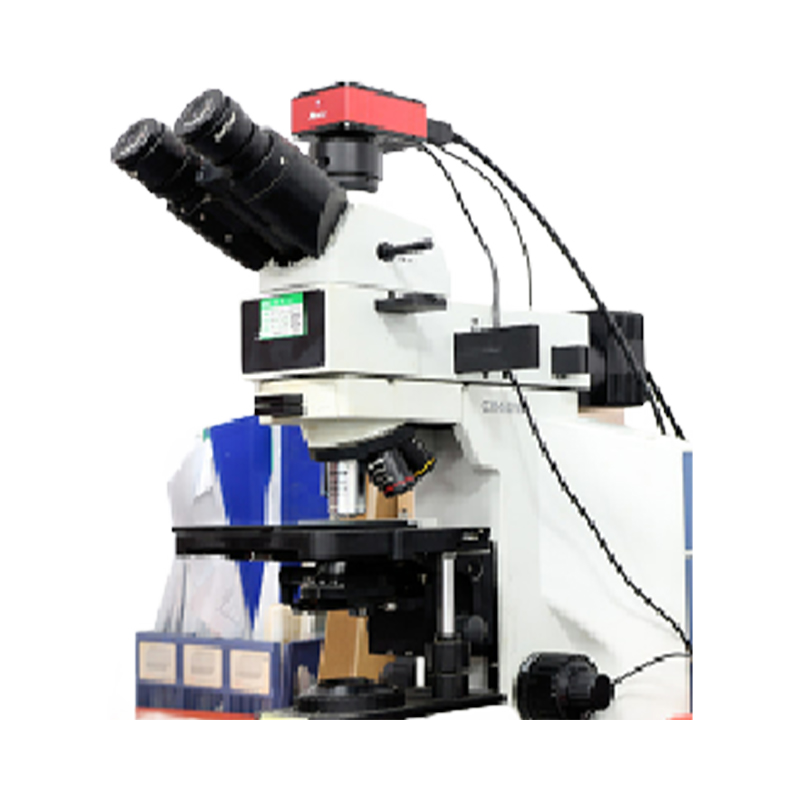
In our process flow, we optimize the scanning speed and combine testing equipment such as particle analyzers and metallographic microscopes to ensure that each process meets the highest standards. For example, in the micropore processing of water purifier filter elements, we achieve high-precision processing of complex micropore shapes by accurately controlling the scanning speed to meet customers' requirements for material physical and chemical properties and high-precision geometric dimensions.
The selection of scanning speed also needs to consider the synergistic effect of laser power and pulse frequency. Through experiments and data analysis, we have established a complete set of parameter optimization models that can quickly determine the optimal scanning speed according to different materials and processing requirements.
Application of Precision Laser Micropore Processing
Precision laser micropore processing technology is widely used in many fields. In the field of medical devices, we use high-precision micropore processing technology to manufacture excellent medical atomizer sheets for atomization treatment of inhalable drugs. In the field of electronic components, we provide high-precision micropore processing services for high-end electronic filter elements and precision instruments to ensure product performance and reliability.
In the field of environmental protection, our laser micropore processing technology is widely used in the manufacture of water purifier filter elements. By precisely controlling the size and distribution of micropores, we can significantly improve the filtration efficiency and life of the filter element. Our technology is also used in the aerospace field to provide high-quality micropore processing services for precision sensors and engine components.
Maging Unang Makaalam
Para sa eksklusibong deals at pinakabagong alok, mag-sign up sa pamamagitan ng paglalagay ng iyong email address sa ibaba.
- Mabilis na Link
- Produkto
- Tungkol sa
- Application
- Balita
- Makipag -ugnay
- Mga Link ng Produkto
- Medical Mesh Piezo Atomizer
- Polymer pi film piezo atomizer
- KNN lead-free mesh piezo atomizer
- Pi lead free mesh zeroing chip
- Micro-mesh piezo atomizer para sa pampainit
- Piezo atomizer para sa fan/humidification/kagandahan
- Ultrasonic atomizing transducer
- Ultrasonic high-frequency piezo atomizer
- Power Generation/Heating Sensor Piezo Atomizer
- Disenyo ng Medikal na Piezo Atomizer PCB
- Precision Laser Micro-Hole Processing Technology
- Kontak
-
Building 1, Fortune Star 2, No.311 Huanzhen North Road, Chang'an Town, Haining City, Zhejiang Province, China.

-
+86-18006619680

-
+86-13777879680

-
Felix@saidapiezo.com

riney@saidapiezo.com
yugao@saidapiezo.com
emily@saidapiezo.com
dean@saidapiezo.com -
Felix: +86 18157327658

John: +86 18957351358
Emily: +86 18957339358
Dean: +86 15356418868
- Mobile